TNF Inhibitor Induced Psoriasis
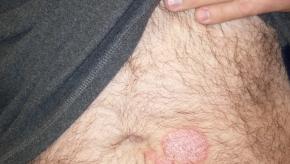
Tumor necrosis factor-α inhibitors (TNFi) rarely have been reported to induce new-onset psoriasis.

Tumor necrosis factor-α inhibitors (TNFi) rarely have been reported to induce new-onset psoriasis.
Two current articles in the Journal of Rheumatology address issues surrounding mortality risk among those with new and established gout.
On Friday March 24, the nonprofit Institute for Clinical and Economic Review (ICER) presented its report on the cost and value of targeted immune modulators (TIMs) for rheumatoid arthritis (RA) in a meeting in Boston that included clinical experts, manufacturers, payers, and patients.
Rheumatoid arthritis (RA) patients have a higher risk of certain cancers (e.g., skin, lung, lymphoma). At issue is whether the newer agents modify this risk appreciably.
Low rates of serious infections were observed in pregnant women receiving immunosuppressive therapies. Higher rates may be seen with steroid use in pregnancy and SIE trend towards lowest with DMARD or TNFi use.
Lyrica (pregabalin) was first approved in 2004 and since has been studied and approved for use in neuropathic pain (associated with diabetic neuropathy), postherpetic neuralgia, partial onset seizures, fibromyalgia and neuropathic pain with spinal cord injury.
Dr. Jack Cush reviews news and highlights from the past week on RheumNow.com.
In the Makonde language, “Chikungunya” translates to “that which bends up”, descriptive of the twisted posture of those infected secondary to intense joint and muscle pain experienced during the acute phase of the disease.
A comprehensive review of psoriatic arthritis (PsA) was published this week in the NEJM, authored by leaders in the field, Drs. Ritchlin, Colbert and Gladman.
High points from their review inlcuded:
Dr. Steven Carsons and an expert committee of the Sjogren's Syndrome Foundation have published a clinical practice guidelines (CPGs) and recommendations for the managment of Sjögren's syndrome.
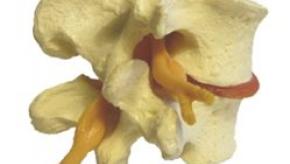
A a randomized trial published in Annals of Internal Medicine shows that intradiscal glucocorticoid injection has limited (1 month) efficacy in treating low back pain (LBP) associated with active discopathy, yet decreased over time.
By downloading this material, I acknowledge that it may be used only for personal use and personal education and that I will accredit RheumNow.com as the source and owner of this material. Commercial use or mass reproduction of this material without permission from RheumNow (info@rheumnow.com) is prohibited.