
NSAIDs OK for Certain High-Risk Groups?
Some patients typically contraindicated for prescription nonsteroidal anti-inflammatory drug (NSAID) use may be able to take them with no increased risk of harm, according to a large observational study.

Some patients typically contraindicated for prescription nonsteroidal anti-inflammatory drug (NSAID) use may be able to take them with no increased risk of harm, according to a large observational study.
Emergency physician Chris Hahn, MD, doesn't have any trouble conjuring a simple definition of fibromyalgia. "Just think about the most annoying chief complaints you can imagine. That's the diagnostic criteria."
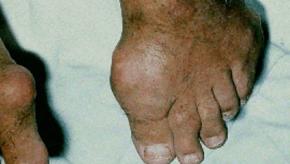
Neogi and colleagues have shown that standard doses of allopurinol (300 mg/day) were associated with a 13% lower risk of renal function deterioration in chronic gout patients - thus, allopurinol does not appear to impair renal function over time.
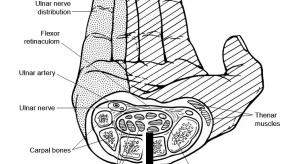
MMWR reports that workers’ compensation claims for carpal tunnel syndrome (CTS) in California during 2007–2014 were 6.3 per 10,000 full-time equivalent workers, with female workers and workers in industries that manufacture apparel, process food, and perform administrative work being at highest r
The high prevalence of symptoms of anxiety and depression among adults with arthritis warrants awareness, screening, and subsequent treatment of these conditions.
Dr. Jack Cush reviews the news from the past week on RheumNow.com.
The current edition of Lancet Diabetes & Endocrinology suggests that neither vitamin D supplementation, nor dose, will improve bone density or prevent fractures in adults.
Use of wearable activity trackers was associated with increases in the number of daily steps among individuals with rheumatic and musculoskeletal disorders, a meta-analysis found.
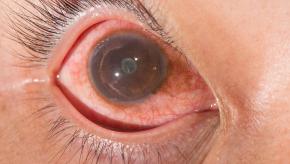
Researchers from Germany have studied a large cohort of juvenile idiopathic arthritis (JIA) patients and shown that JIA disease activity scores and laboratory biomarkers could be used to better define the group of JIA patients at high risk of uveitis onset.
The NEJM reports that zolendronic acid was shown to significantly lower the risk of nonvertebral or vertebral fragility fractures in older women with osteopenia.
The Norwegian connective tissue disease (CTD) and systemic vasculitis (PSV) registry (NOSVAR) studied patient outcomes over a 15 year period and found overall mortality to be higher in the CTD compared to the PSV group.
By downloading this material, I acknowledge that it may be used only for personal use and personal education and that I will accredit RheumNow.com as the source and owner of this material. Commercial use or mass reproduction of this material without permission from RheumNow (info@rheumnow.com) is prohibited.