

News

Serum Interferon Predicts Lupus Flares
Elevated serum levels of interferon-α among patients whose systemic lupus erythematosus (SLE) was in remission helped predict future disease flares, European researchers found.

FUTURE 5 - Secukinumab and Less Radiographic Progression in Psoriatic Arthritis
The FUTURE 5 trial studied the effect of secukinumab (SEC) on radiographic progression through 52 weeks in patients with active psoriatic arthritis (PsA) and found that SEC was clinically and radiographically superior to placebo (PBO). Patients received s.c. secukinumab 300 mg load (300 mg), 150 mg load (150 mg), 150 mg no load regimens or placebo at baseline, at weeks 1, 2 and 3 and every 4 weeks starting at week 4. The majority (87%) of patients enrolled at baseline remained in the study for 52 weeks.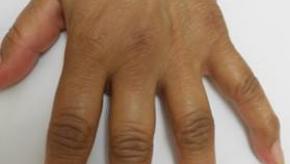
Antibiotics Increase Rheumatoid Risk - Again
Another UK study has suggested that prior use of antibiotics increases the risk of developing rheumatoid arthritis (RA).

ILD Patients At Risk for Autoimmune Disease
Patients diagnosed with interstitial pneumonia with autoimmune features (IPAF) are at an increased risk of developing a systemic autoimmune rheumatic disease (ARD).

RheumNow Podcast – Women Take Over Rheumatology (10.4.19)
Dr. Jack Cush reviews the News and Journal Reports from this week on RheumNow.com.

ASBMR Recommendations on Secondary Fracture Prevention
The American Society for Bone and Mineral Research has developed multistakeholder consensus clinical recommendations for the prevention of secondary fractures for those aged 65 years and older after an initial hip or vertebral fracture.

Increasingly Women are Choosing Subspecialty Careers
JAMA Internal Medicine has an analysis of the growing trend of more women enrolling in medical schools in the last few decades, such that more than half of US Med school matriculants in 2017 were women. Also in 2017, 42% of residents in internal medicine were women. The reported analy

Ixekizumab vs. Adalimumab in Psoriatic Arthritis
The Annals of Rheumatic Disease reports a psoriatic arthritis study where in ixekizumab was non-inferior to adalimumab for achievement of ACR50 responses but was superior to adalimumab for achievement of PASI100 by week 24.

Anakinra Use in Hospitalized Gout Patients
While the efficacy and safety of interleukin 1 (IL-1) inhibitors (e.g., anakinra) in the acute management of gout and pseudogout has been repeatedly shown, the cost efficacy of such biologic therapy has rendered it impractical for most. A new retrospective study has shown that IL-1 inhibitors may be effective and appropriate for some medically complex, hospitalized patients with acute gout or calcium pyrophosphate crystal arthritis.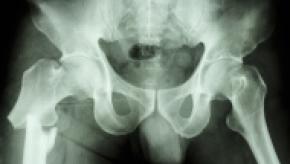
Similar Outcomes for Hip Arthroplasty or Hemiarthroplasty in Hip Fracture
The NEJM reports on a randomized comparison of hemiarthroplasty and total hip arthroplasty in displaced femoral neck fractures and shows no difference in function and quality of life over 24 months.